The château
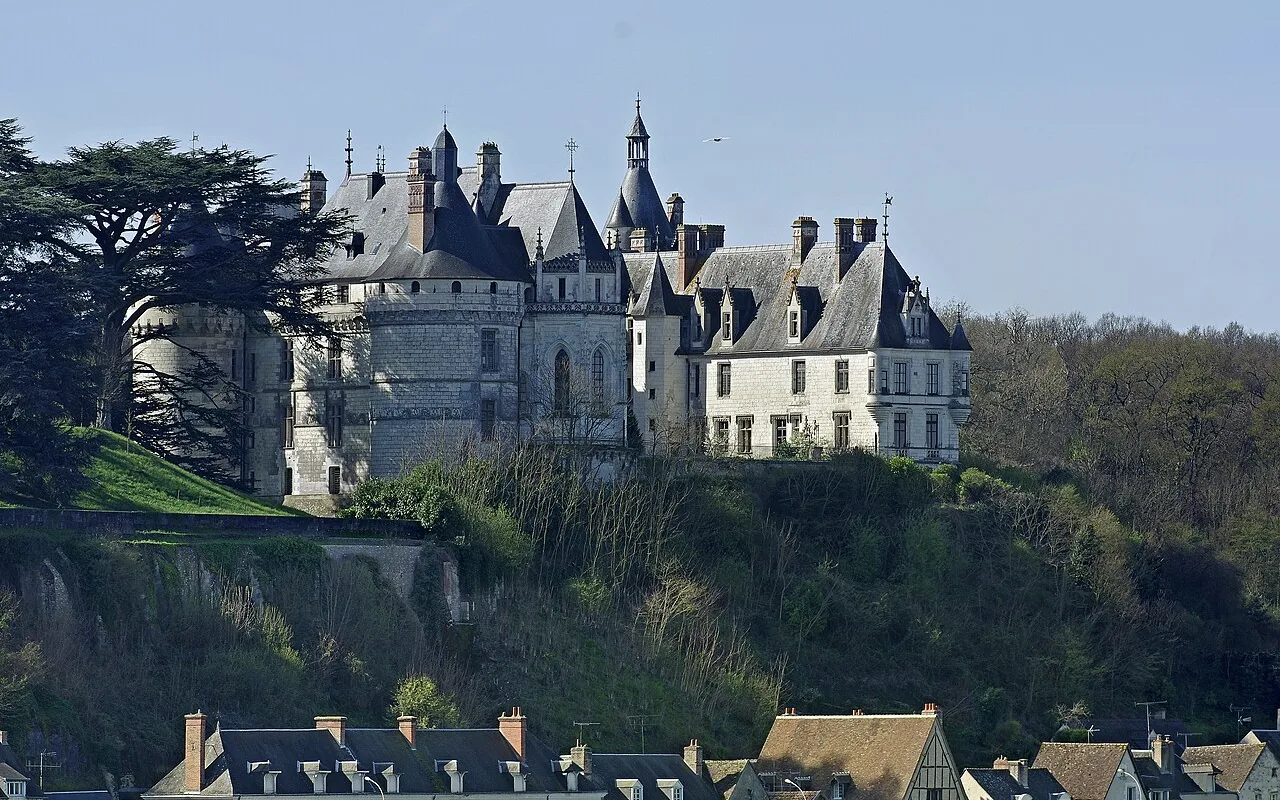
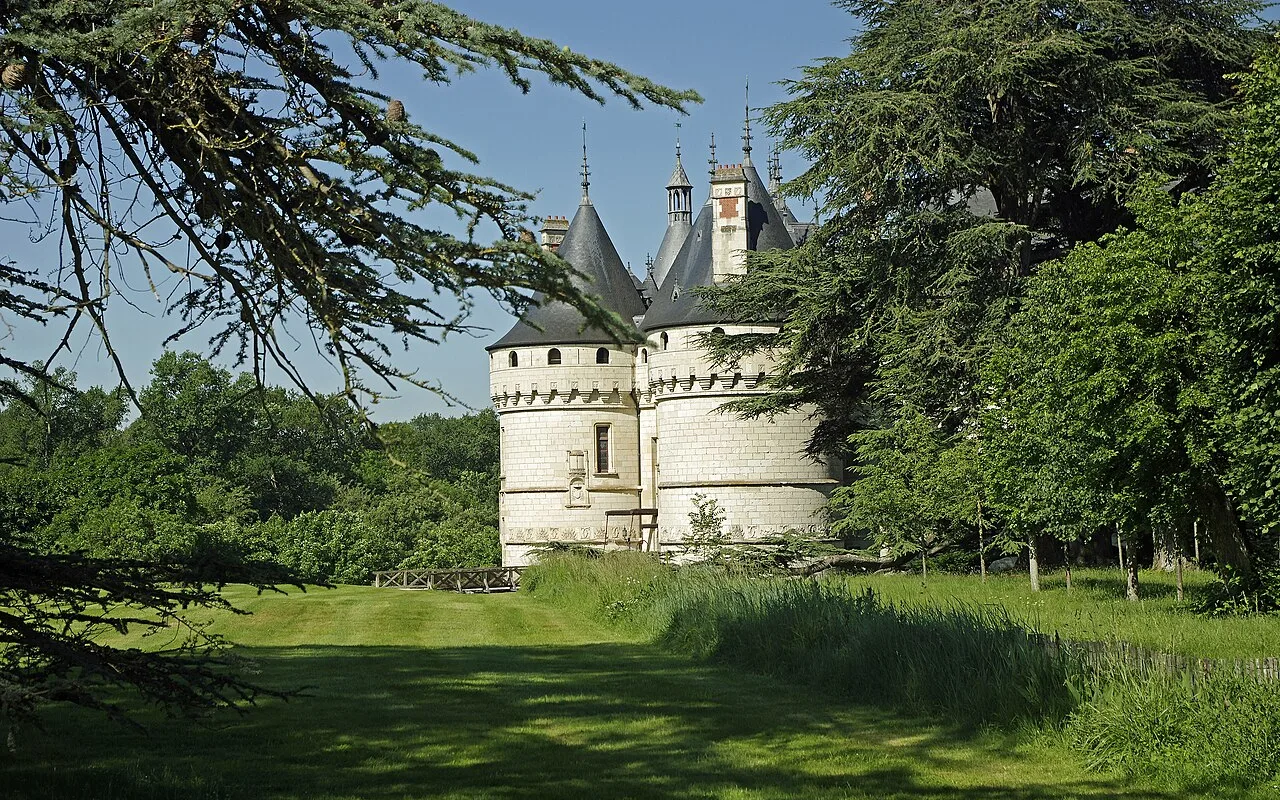
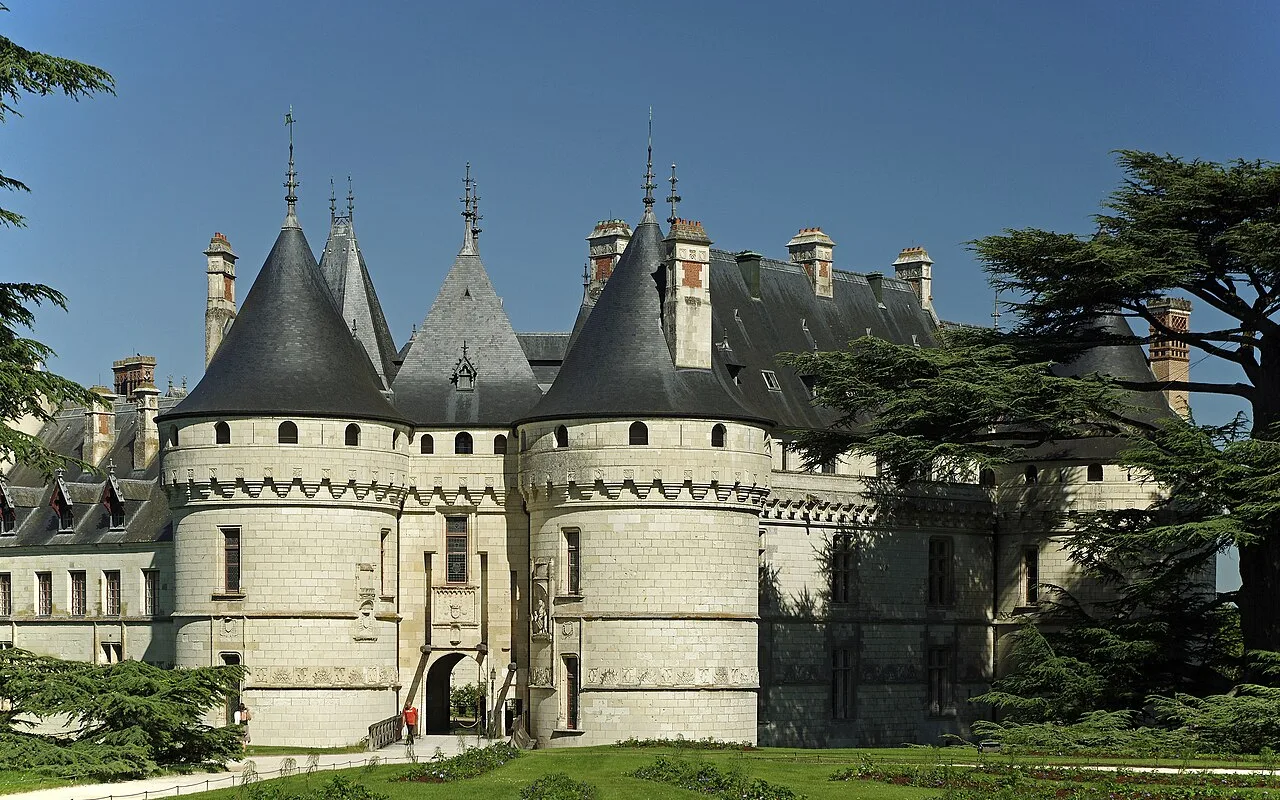
Rebuilt by the Amboise family between 1465 and 1510: round towers, a drawbridge and furnished rooms, including the Tower of Catherine de' Medici.
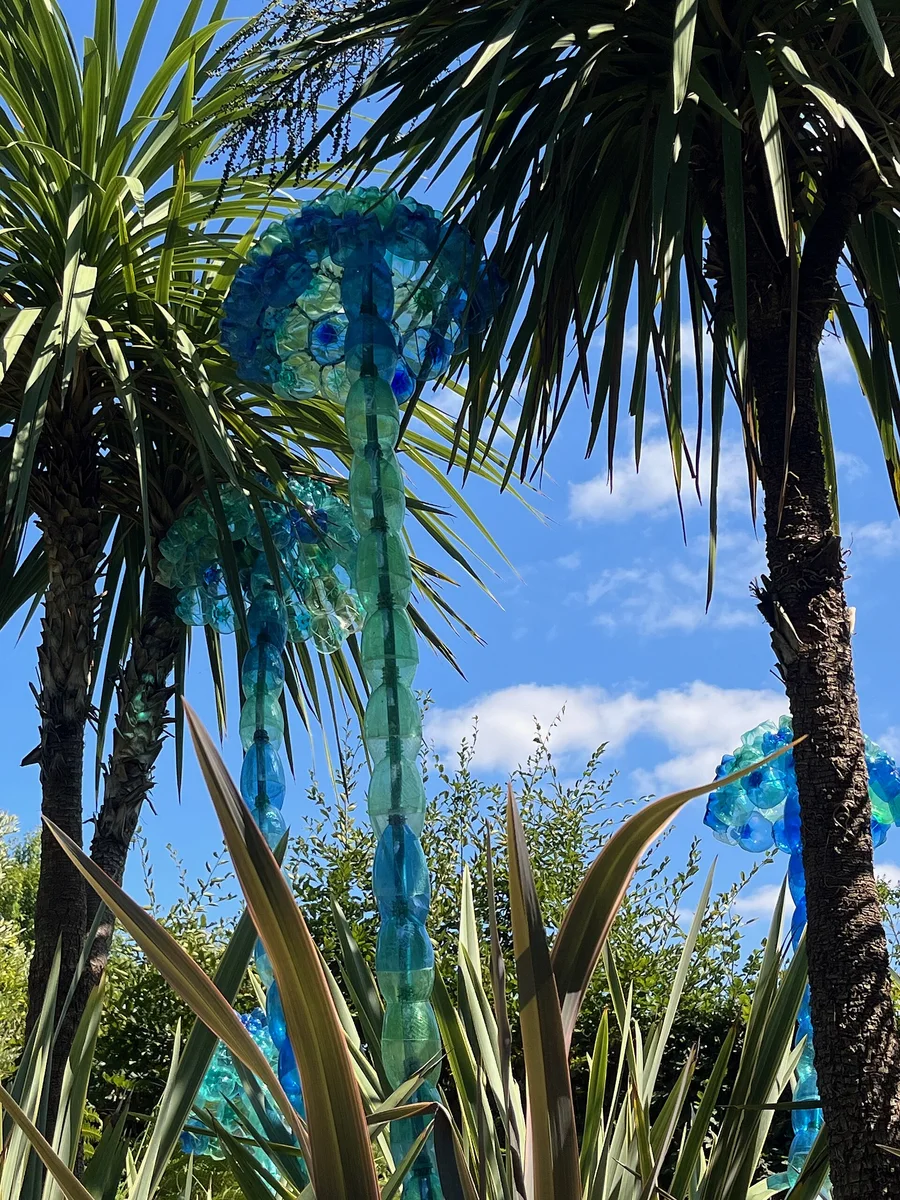
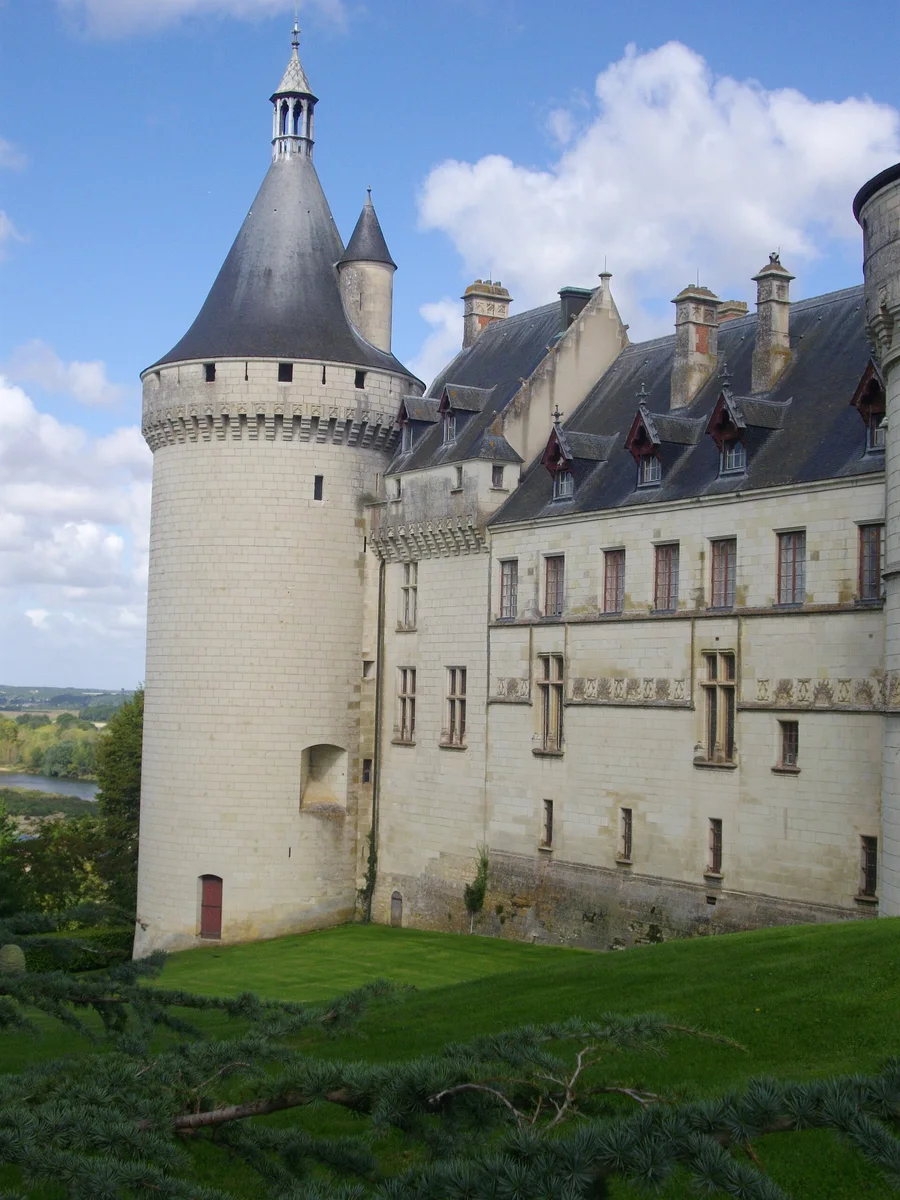
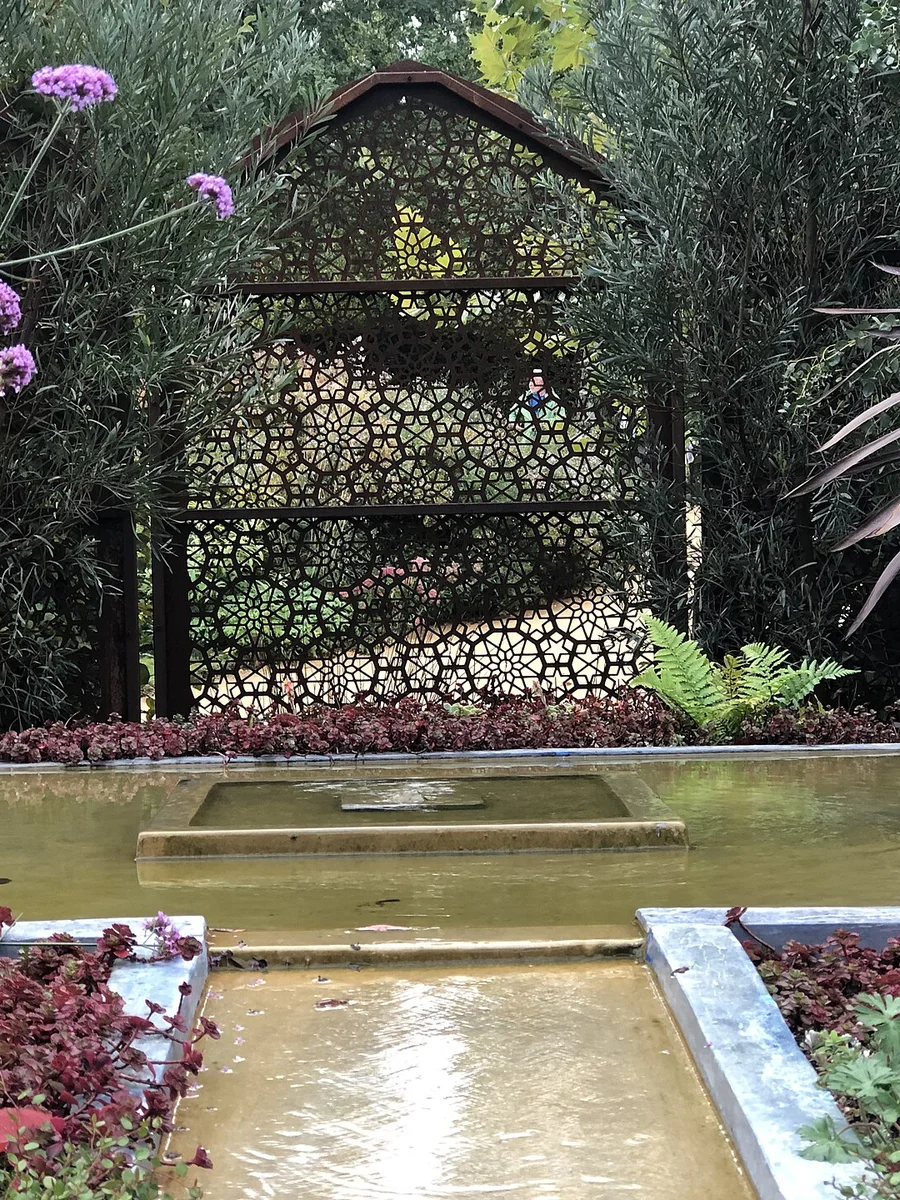
Domaine de Chaumont-sur-Loire, above the river between Blois and Tours
Château, park and Garden Festival on one ticket
One ticket to the château, its 32-hectare park and the International Garden Festival. We book, you roam.
The estate is large — plan at least half a day.
Two packets, one estate
Both packets open the same gates — the château, the 32-hectare park, the festival gardens, the art season and the stables. The second simply spreads it over two consecutive days.
Open-date: choose your visit day at checkout.
Youth, student, family and under-6 rates are issued by the estate on the day with proof of eligibility — ask us and we will point you to the right desk.
The estate in five frames
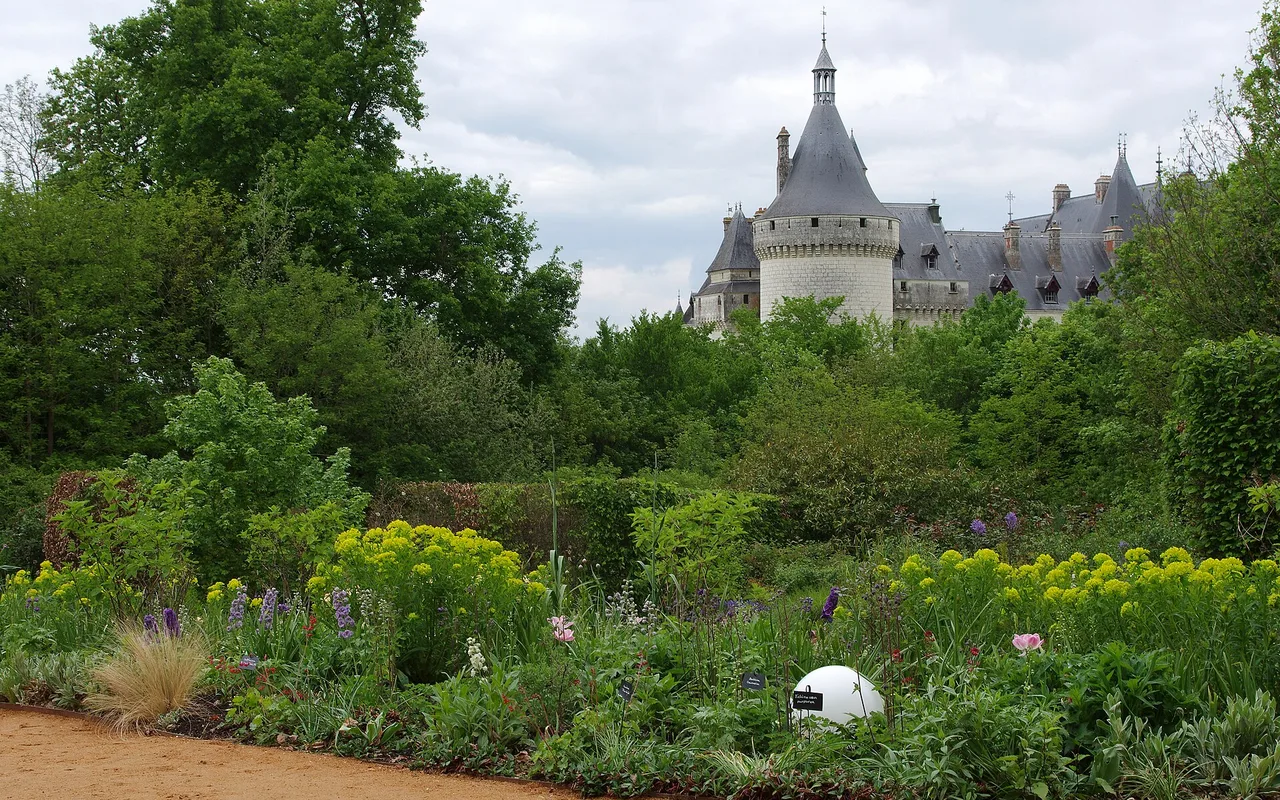
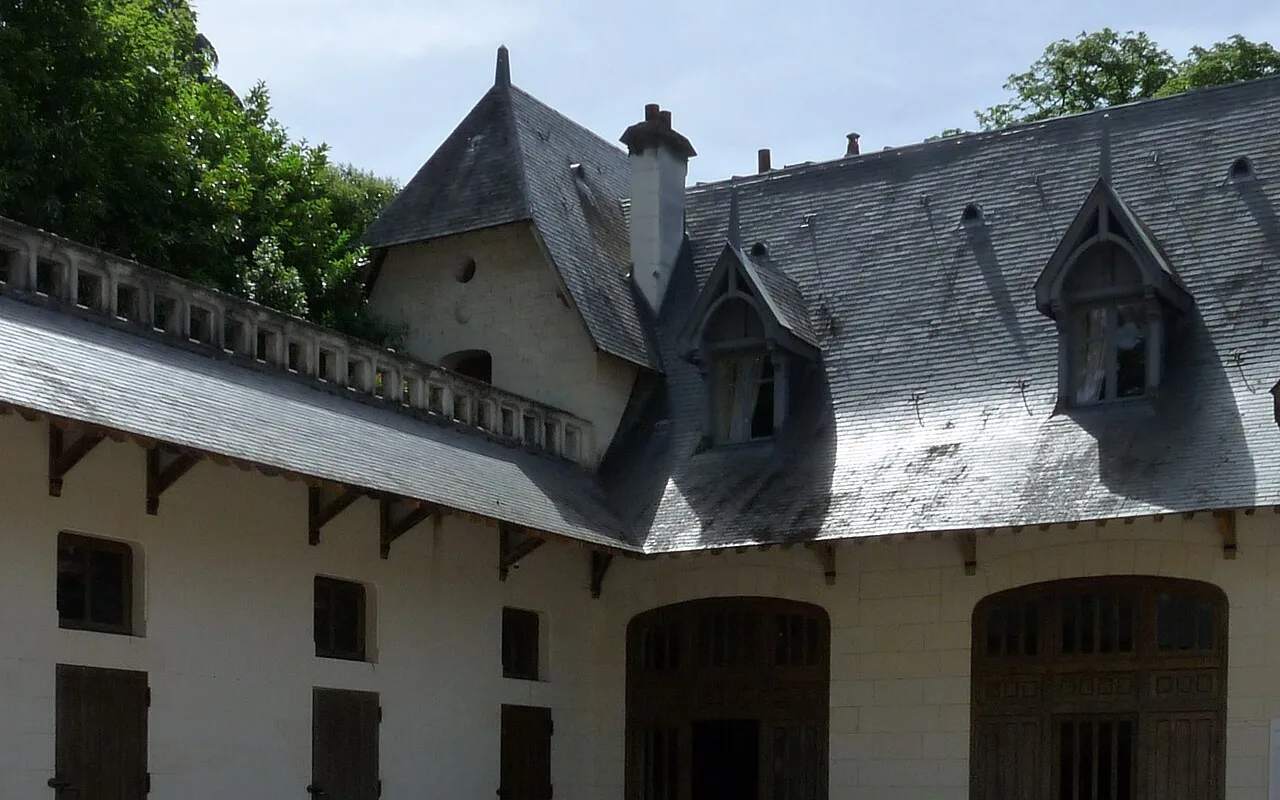
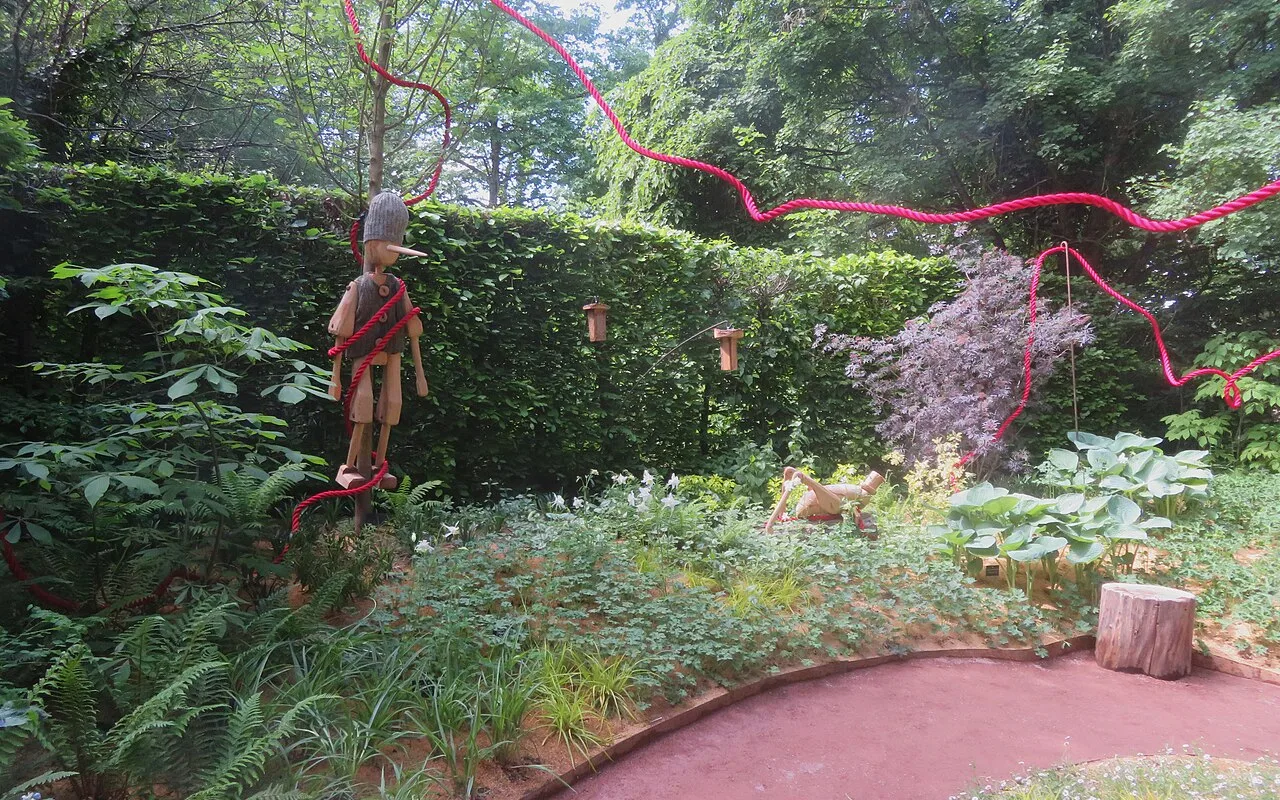
Festival plots, the château above the water, the stables, the cedar park — everything below sits on the same ticket.
Tack-room tags
Four things the concierge does for you, written on tags the way the grooms once labelled the stalls.
The planting plan
Estate boundary — 32 hectares on the bluff above the Loire
Rebuilt by the Amboise family between 1465 and 1510: round towers, a drawbridge and furnished rooms, including the Tower of Catherine de' Medici.
An English-style landscape park of mature cedars and open lawns running down towards the river.
Around thirty new designer gardens built each year on a single theme, from late April to early November, every year since 1992.
Contemporary works set through the château rooms, the park and the stables — on the same ticket, no separate admission.
Built for Prince Amédée de Broglie by Paul-Ernest Sanson; the original stalls, named horse cartouches and cast-iron fittings survive.
The Domaine de Chaumont-sur-Loire rises above the river between Blois and Tours. It began as a medieval fortress, was rebuilt in the Renaissance, and once belonged to Catherine de' Medici and Diane de Poitiers — but today it is best known for what grows around it.
Since 1992 the estate has hosted the International Garden Festival, where designers from around the world build around thirty new gardens each year on a single theme. Alongside it runs the Saison d'Art, with contemporary works set through the château, the park and the historic stables.
One ticket covers all of it — the furnished château, the 32-hectare park, the festival, the art season and the stables. It is a large estate: most visitors give it a half-day, and a two-day pass exists in high season for those who want to take their time.
Torn off with every ticket
Hand-written, narrated by a heritage host, sent to every customer the day before their visit. Five minutes on the fortress that became a Renaissance château, the two rival queens who owned it, and how it grew into the garden capital of the Loire.
Press play — five minutes
Included free with every ticket. No app, no download — plays in any browser.On the recording
Field notes
Hours, routes and the ground underfoot, pinned into three panels — open any note.
Open every day except 1 January and 25 December. Hours vary a lot by season — roughly 10:00–20:00 in July and August and 10:00–17:30 in winter. Last entry to the château is about an hour before the estate closes.
Plan at least three hours for the Garden Festival alone, and a half-day to add the château and art season. The two-day pass suits garden lovers.
Domaine de Chaumont-sur-Loire, 41150 Chaumont-sur-Loire, France
About 40 km east of Tours (around 40 minutes by car). The nearest station is Onzain–Chaumont-sur-Loire, about 2 km across the river, with a connecting shuttle.
About 1h40 by train from Paris-Austerlitz to Onzain–Chaumont-sur-Loire, then roughly 2 km to the estate; Blois (15 km) is another gateway with more connections.
Between Blois (15 km) and Tours (40 km) on the D751 and D952. Parking at the estate is free.
The estate is large, with gravel paths and slopes, and the château has stairs. For specific access needs, ask us before booking and we'll check the current arrangements.
Personal photography is generally welcome across the park and gardens. Check the current rules for the château interior on the day.
There are cafés and a restaurant on the estate, plus plenty of spots for a picnic in the park.
One day or two
The same ticket, the same gates; only the pace changes.
Estate Day Ticket
What you cover
The château and stables in the morning, festival gardens and art installations after lunch, with a café stop or a picnic in the park between.
The pace
Full but realistic — allow at least three hours for the festival alone and a half-day for the whole estate.
Best for
Loire touring couples fitting Chaumont between Blois, Amboise and Chambord.
2-Day Pass
What you cover
The same estate spread across two consecutive days: every festival garden walked slowly, every designer's note read.
The pace
Unhurried — no closing-time rush past the art installations, and the château on its own quiet morning.
Best for
Garden lovers and photographers for whom Chaumont is the centrepiece of the trip.
The festival runs from late April to early November; the 2-Day Pass is sold only inside that window. Both reserve at the same counter — pick your visit day at checkout.
Reserve day ticket · €44The Loire à Vélo rack
Written for the questions cyclists and day-trippers actually ask on the way in.
Garden markers
Tap a marker to turn it over.
One ticket covers the whole estate — the furnished château, the 32-hectare historic park, the International Garden Festival, the Saison d'Art contemporary-art season and the stables. There's no separate château-only or festival-only ticket.
The estate is large and easily fills a half-day, so most visitors are fine with the day ticket. The 2-day pass, offered in high season, suits garden lovers who want to see every festival garden without rushing.
No. Tickets are open-dated with no time slot, valid on any open day, so you can visit whenever suits you. The 2-day pass covers two consecutive days.
Chaumont doesn't use timed entry, so there's rarely a long wait. Your e-ticket lets you scan straight in without queueing at the ticket desk to buy.
The International Garden Festival runs from late April to the start of November each year. Outside that window the estate is quieter and admission is lower — the château, park and permanent gardens stay open.
Plan at least three hours for the Garden Festival alone, and a half-day to add the château and the art season. Garden lovers often take the full two days.
About 40 minutes by car from Tours. By train, the nearest station is Onzain–Chaumont-sur-Loire (about 1h40 from Paris-Austerlitz), roughly 2 km from the estate with a connecting shuttle.
We sell the full-price adult ticket. Under-6 (free), youth, student, family and disabled rates are booked directly at the estate with proof of eligibility — we're glad to point you to the right place.
The deeper bed — longer answers
Because the tickets are open-dated, you can simply go on another open day. All sales are final, except that we refund in full if the estate cancels.
The Château de Chaumont, at the heart of the Domaine de Chaumont-sur-Loire, is a Renaissance château on a bluff above the Loire, roughly midway between Blois and Tours. Founded as a 10th-century fortress, it was dismantled on the order of Louis XI in 1465 and rebuilt by the Amboise family by 1510, keeping its round towers and drawbridge while adopting Renaissance style. Catherine de' Medici acquired it in 1550, and after the death of Henry II she forced his mistress Diane de Poitiers to trade the grander Chenonceau for Chaumont. Later the Broglie family ran it as a lavish estate and commissioned its celebrated 1877 stables, among the most luxurious of their day. Given to the French state in 1938, it has hosted the International Garden Festival each year since 1992, with a fresh set of contemporary designer gardens on a single theme, and today operates as a publicly run centre for arts and nature.
The Château de Chaumont sits between Blois, about 15 km away, and Tours, about 40 km away, on the D751 and D952, an easy stop on any Loire Valley driving circuit, with free parking at the estate entrance. By train, the nearest station is Onzain–Chaumont-sur-Loire, roughly 2 km across the river, with a connecting shuttle for the final leg; from Paris-Austerlitz the journey takes around 1 hour 40 minutes. This line runs less frequently than the main connections, so check timetables in advance. If your times do not align with Onzain, Blois is a larger rail gateway 15 km away with more frequent connections, from which a taxi covers the rest in about 20 minutes. Chaumont also pairs naturally with Chambord, Blois or Amboise by car, each within roughly 40 minutes, making a multi-château trip straightforward.
One ticket to the Château de Chaumont unlocks a whole estate. There is the furnished Renaissance château itself, which keeps its round towers, moat and drawbridge and includes the atmospheric Tower of Catherine de' Medici. Surrounding it is a 32-hectare historic park in the English naturalistic landscape style, with mature cedars and lawns running down towards the Loire. The 1877 stables, built for Prince Amédée de Broglie to be the most luxurious of their day, survive remarkably intact, with original stalls, named horse cartouches and cast-iron fittings. From late April to early November the estate also hosts the International Garden Festival, a fresh set of contemporary designer gardens built each year on a single theme, alongside a contemporary-art season staged through the château, park and stables. Everything sits on one open-dated ticket, with no separate admission for any single part of the estate.
Yes, the Château de Chaumont is well worth a visit, though it rewards visitors who understand what it offers. This is not the sheer scale of Chambord or the river-spanning gallery of Chenonceau; instead Chaumont combines a genuine medieval-to-Renaissance château, complete with round towers, moat and drawbridge, with an estate few other Loire châteaux can match. Its 32-hectare park, remarkably intact 1877 stables and, above all, its International Garden Festival make it a distinctive day out. Since 1992 the festival has rebuilt a set of contemporary designer gardens each year on a new theme, so no two visits look the same, which is why garden lovers return repeatedly. Add the real history of Catherine de' Medici and Diane de Poitiers, who traded Chenonceau for Chaumont in the 16th century, and the estate offers architecture, landscape design and contemporary art on a single ticket. Most visitors find a half-day comfortably filled.
Plan at least a half-day at the Château de Chaumont, and more if gardens are your main reason for coming. The estate itself recommends allowing at least three hours for the International Garden Festival alone, and a half-day to add the château, the 1877 stables and the contemporary-art season at a comfortable pace. Because a single open-dated ticket covers the château, the 32-hectare park, the stables, the festival and the art season, most first-time visitors underestimate how much ground there is to cover. A well-paced single day suits most people: château and stables in the morning, festival gardens and art in the afternoon, with a café or picnic stop between. Serious garden enthusiasts and photographers who want to linger over every festival garden often prefer the two-day pass, offered in high season, which spreads the same access across two consecutive days rather than adding anything extra to see.
The best time to visit the Château de Chaumont is from late April to early November, when the International Garden Festival and the contemporary-art season are both running and the whole estate is at its fullest. Within that window, weekday mornings are noticeably quieter than summer weekends, and early autumn is a favourite, bringing softer light and thinner crowds while the gardens are still in full display. High summer offers the most mature planting but the busiest paths. Outside the festival season the estate stays open at lower admission, with the château, permanent park and stables still accessible, though the temporary festival gardens themselves are not on show; this quieter period suits visitors more interested in the historic buildings than the contemporary gardens. Whatever the season, wear comfortable shoes, since much of the ground is gravel path and open lawn, and allow more time than you would for a single compact château.
Both. Chaumont began as a 10th-century fortress and still keeps its round towers, moat and drawbridge, with furnished interiors including the Tower of Catherine de' Medici. It's a smaller, more intimate château than Chambord or Chenonceau, but it's a genuine historic building, not just a backdrop for the Garden Festival.
Yes. Catherine de' Medici bought the château in 1550. After King Henry II — her husband and Diane's lover — died in 1559, Catherine forced Diane to trade her beloved Château de Chenonceau for Chaumont. Diane accepted but spent little time there.
Built in 1877 for Prince Amédée de Broglie by architect Paul-Ernest Sanson, they were designed to be the most luxurious and modern stables in Europe — around forty stalls, largely unchanged since opening, with original cast-iron fittings and named horse stalls intact.
The number varies by year — the festival rebuilds its gardens from scratch each season on a new theme, so the count changes edition to edition. It's been running since 1992 and remains one of Europe's most influential contemporary garden shows.
The day ticket comfortably covers the estate for most visitors — allow at least three hours for the Garden Festival and a half-day for everything. The 2-day pass, offered in high season, suits garden lovers who want to walk every festival garden slowly rather than at a brisker pace.
Yes — the contemporary-art programme staged through the château, park and stables is included in the same all-inclusive ticket as the château, Garden Festival and stables. There's no separate art-only admission.
Chaumont's distinct angle is contemporary gardens and art layered onto a genuine historic château, rather than pure period-house preservation. Chateaux like Chenonceau or Villandry focus on historic or formal gardens; Chaumont's gardens reinvent themselves every year.
Yes, though it takes a connection. The nearest station, Onzain–Chaumont-sur-Loire, is about 2 km away with a shuttle link, roughly 1h40 from Paris-Austerlitz. Blois, 15 km away, offers more frequent train connections if timing is tight.
Late April to early November, when the International Garden Festival and Saison d'Art are both running and the estate is at its fullest. Weekday mornings and early autumn tend to be quieter than summer weekends.
The workbench
Domaine de Chaumont-sur-Loire Tickets acts as a facilitator to help international visitors book entry to the Domaine de Chaumont-sur-Loire, which is owned and run by the Centre-Val de Loire Region. We are not the estate's ticket office and we do not resell tickets — we place your booking and provide support in your own language.
Sources: Domaine de Chaumont-sur-Loire (official) · Domaine de Chaumont-sur-Loire — Practical information · Domaine de Chaumont-sur-Loire — International Garden Festival · Domaine de Chaumont-sur-Loire — The Stables · Wikipedia — Château de Chaumont · UNESCO World Heritage Centre — Loire Valley between Sully-sur-Loire and Chalonnes Last checked: